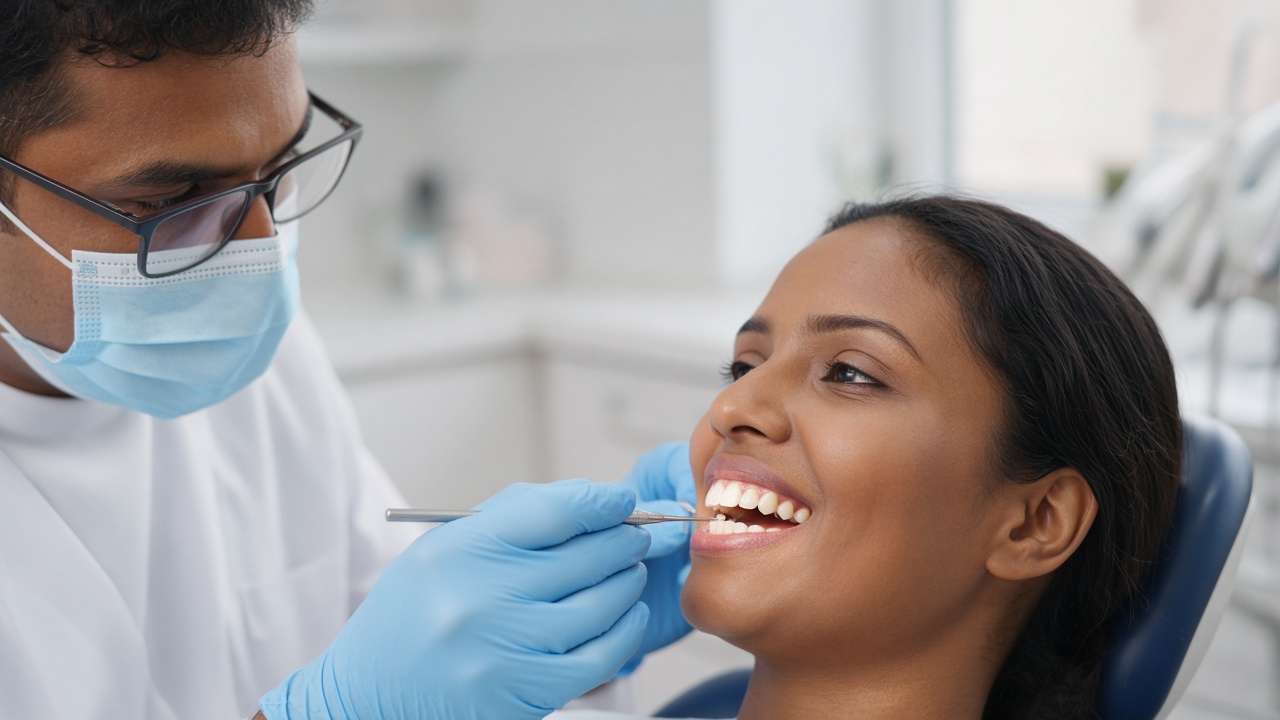
How often should you see a dentist for a check-up and cleaning?
Six-monthly visits suit many people, but gum disease, orthodontics, implants or a high cavity risk may need a closer review schedule.

Dr. Suneeta Veeramachaneni
4 October 2026 · 5 min read
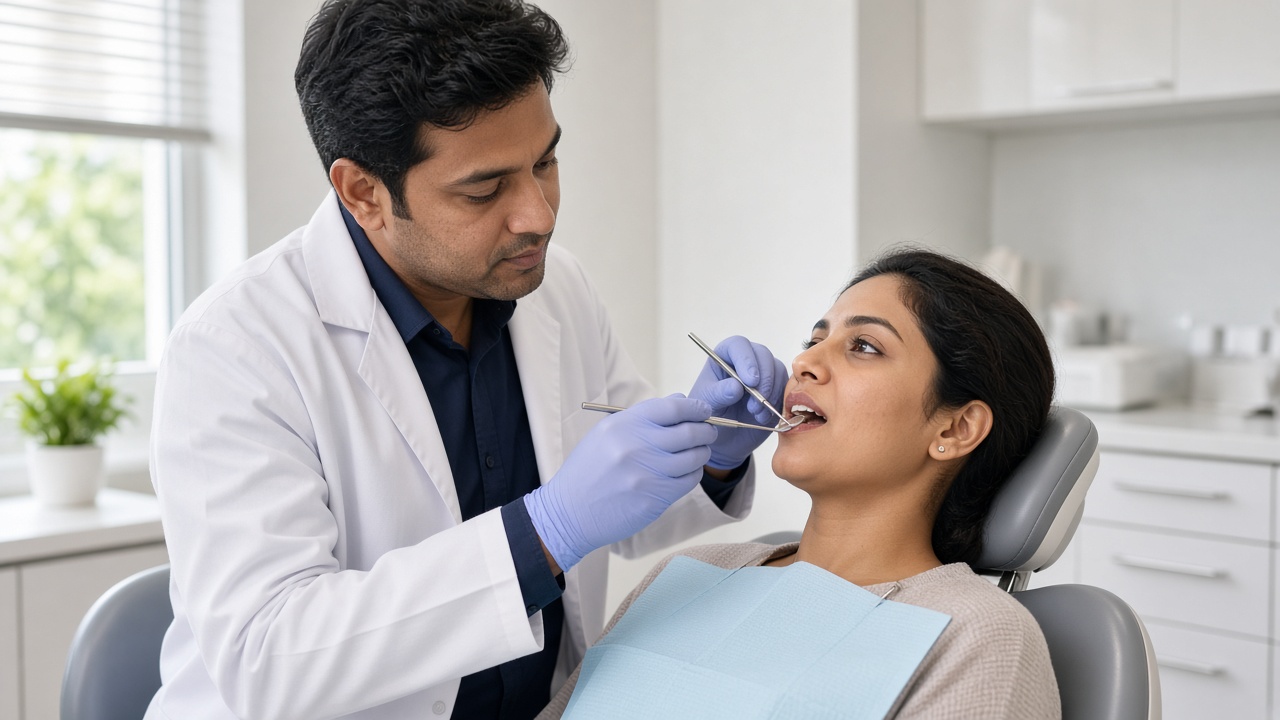
A dental check-up is more than a polish. It is a structured look at gums, teeth, existing restorations, bite, soft tissues and habits that could create problems later. The ideal interval depends on your risk profile rather than a single universal calendar.
Why intervals differ between patients
Someone with stable gums, low decay activity and good home care may do well with visits every six months. Higher plaque retention, smoking, diabetes, dry mouth, orthodontic appliances, multiple restorations or a history of gum disease often justify shorter intervals.
Implant patients and people who have had periodontal therapy may need dedicated maintenance visits so inflammation around fixtures or residual pockets is caught early. Your dentist should explain why a particular recall is suggested for you.
What a thorough visit includes
Expect an update of medical history, gum assessment, cavity and crack checks, review of fillings, crowns and dentures, oral cancer screening of soft tissues and cleaning to remove deposits you cannot reach at home. Bitewing or other X-rays are taken when clinically useful, not automatically every visit.
Home-care coaching is part of prevention. Technique changes, interdental aids or a different toothpaste recommendation can matter as much as the scaling itself.
Do not wait only for pain
Many issues that are inexpensive to manage early—early enamel breakdown, gingivitis, a leaking margin—become larger when appointments are postponed until something hurts. Pain is a late signal for several dental diseases.
If it has been more than a year, start with a comprehensive examination so a personalised recall plan can be set. Krest Dental in Visakhapatnam schedules preventive visits around your risk and treatment history.
Frequently asked questions
Is cleaning every three months too often?
For some higher-risk patients it is appropriate. The interval should be justified by gum measurements, deposit build-up and medical factors rather than a one-size schedule.
Can I skip the dentist if my teeth feel fine?
Feeling fine does not always mean gums and early decay are healthy. Periodic examination remains the reliable way to confirm stability.
Written by
Dr. Suneeta Veeramachaneni, DDS, University of California, San Francisco
More about Dr. Suneeta Veeramachaneni, DDS, University of California, San Francisco