Jaw pain and TMJ discomfort: when to see a dentist
Not every jaw click needs treatment, but pain, locking or headaches tied to chewing deserve a structured dental and joint assessment.

Dr. Suneeta Veeramachaneni
25 October 2026 · 5 min read

The temporomandibular joints (TMJ) connect your jaw to the skull and work with muscles every time you speak, chew or yawn. Discomfort can come from muscle overuse, joint inflammation, disc displacement, tooth grinding or a combination. A careful history usually reveals more than any single scan alone.
Symptoms that warrant attention
Pain in front of the ear, morning jaw stiffness, headaches linked to clenching, difficulty opening, intermittent locking, painful chewing and sudden bite changes are reasons to book an examination. A painless occasional click without other symptoms may simply be monitored.
Dental sources such as a high filling, cracked tooth or wisdom-tooth inflammation can mimic joint pain. Ruling these out prevents months of treating the wrong structure.
First-line care that often helps
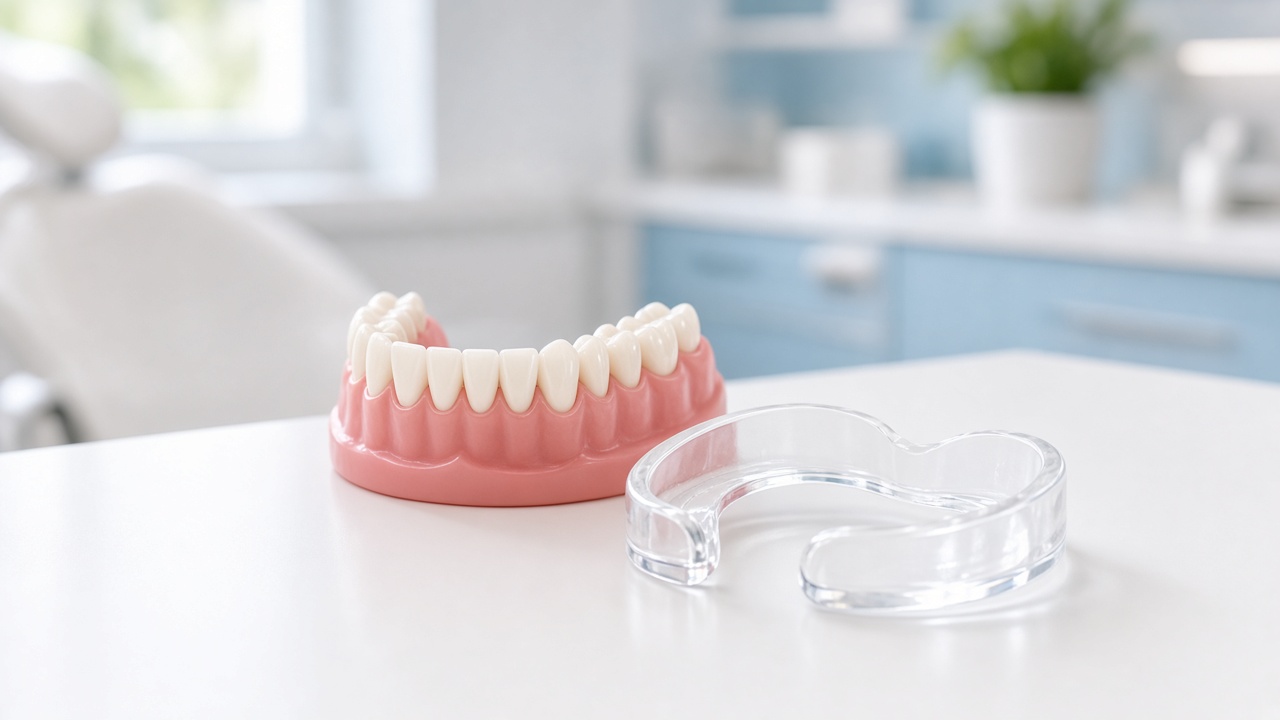
Soft-diet intervals, avoiding gum and wide yawns, gentle heat or cold as advised, short-term anti-inflammatory guidance from a clinician and awareness of daytime clenching are common starting points. A custom night guard may reduce joint loading when grinding is evident.
Aggressive irreversible treatments are rarely the first step for muscle-driven pain. Physiotherapy-style jaw exercises, stress reduction and sleep review can be part of a conservative plan.
What the dental assessment includes
Expect questions about stress, sleep, trauma and habits, plus examination of jaw opening, joint sounds, muscle tenderness, tooth wear and occlusion. Imaging is used selectively when it will change management.
Krest Dental evaluates jaw pain in the context of your teeth, bite and soft tissues, and explains when monitoring, an appliance, restorative adjustment or medical collaboration is most appropriate.
Frequently asked questions
Does a clicking jaw always need surgery?
No. Many clicks are managed with observation or conservative care. Surgery is reserved for specific joint problems that do not respond to less invasive measures.
Can stress really cause jaw pain?
Yes. Daytime clenching and night grinding often increase with stress and can overload jaw muscles even when the joint itself is structurally sound.
Written by
Dr. Suneeta Veeramachaneni, DDS, University of California, San Francisco
More about Dr. Suneeta Veeramachaneni, DDS, University of California, San Francisco