Dental crowns: when a tooth needs more than a filling
A crown covers and strengthens a tooth that a filling alone may not protect. Timing and material choice depend on the damage and your bite.

Dr. Suneeta Veeramachaneni
24 September 2026 · 6 min read
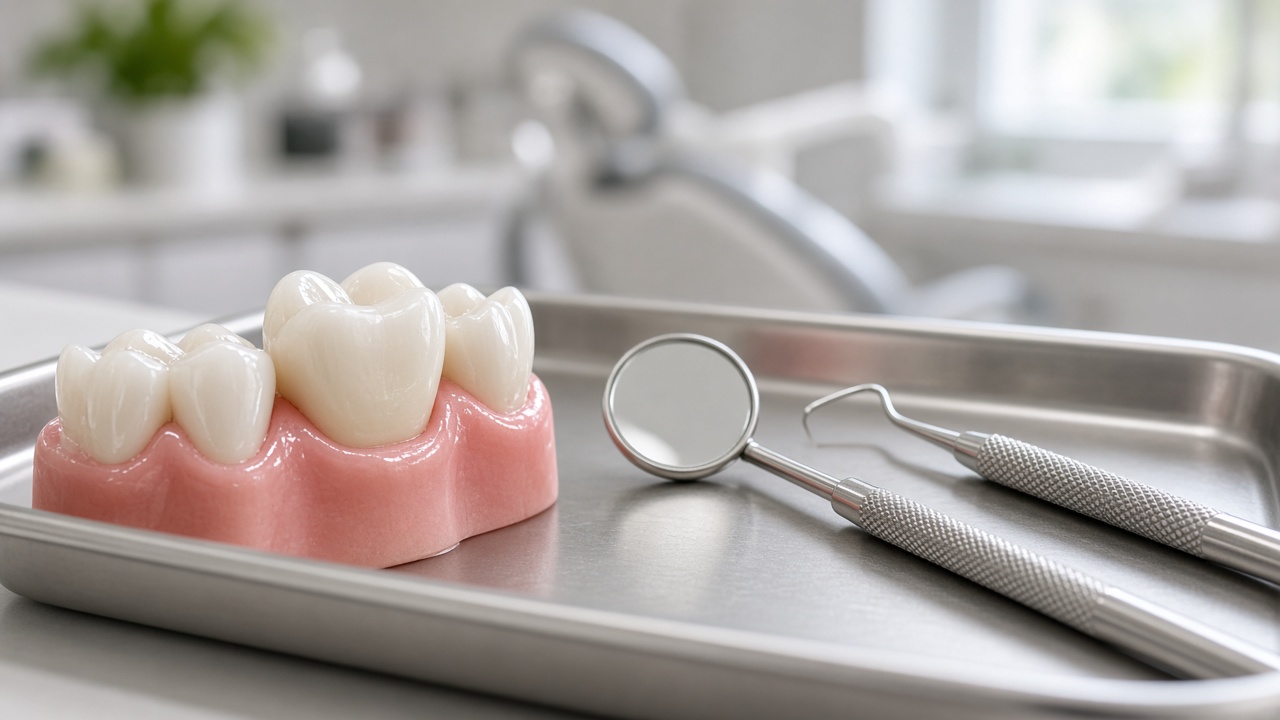
A dental crown is a custom cap that restores the shape, strength and appearance of a damaged tooth. It is considered when decay, fracture or previous treatment has removed so much structure that a filling would leave the tooth at risk of breaking under normal chewing.
Situations where crowns are commonly advised
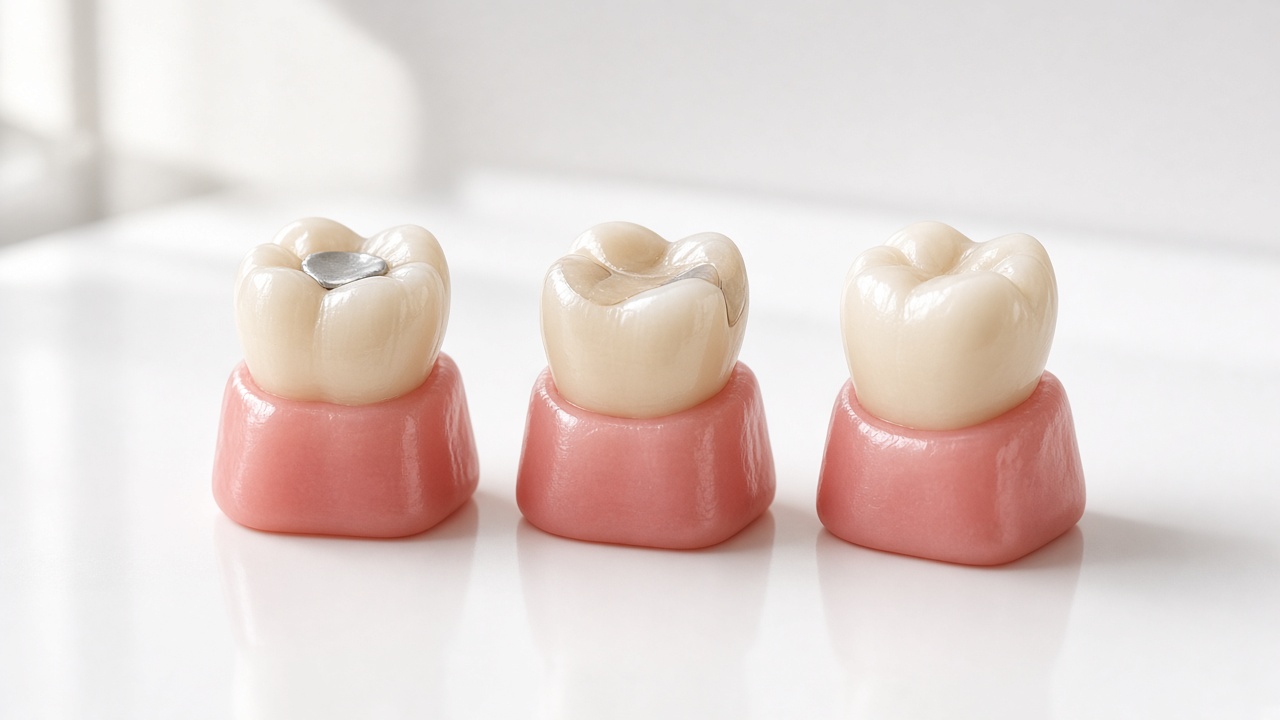
Large cavities, teeth with big old fillings, cracks that threaten the chewing surface, teeth after root canal treatment and teeth worn by grinding are frequent candidates. A crown redistributes bite force around the remaining tooth rather than concentrating stress on a weak wall.
Not every cracked or sensitive tooth needs a crown immediately. The dentist assesses crack depth, remaining walls, gum health and how you bite before choosing monitoring, a filling, an onlay or a full coverage crown.
Materials and the treatment sequence
Ceramic and zirconia crowns are often chosen for a natural look and strength. Metal-ceramic options may still suit some back teeth. Material selection balances aesthetics, bite force, available space and neighbouring restorations.
Treatment usually involves preparing the tooth, taking a digital or conventional impression, placing a temporary crown and cementing the final restoration once fit, colour and contacts are confirmed. Same-day digital workflows may shorten the process in suitable cases.
Caring for a crowned tooth
Brush and clean between the teeth as usual, paying attention to the margin where the crown meets the gum. Avoid using the crowned tooth to open packets or chew ice. If you grind at night, a guard may protect both natural teeth and restorations.
Sensitivity after cementation can settle over days to weeks. Persistent bite discomfort, a loose feeling or gum swelling around the margin should be checked promptly so small issues do not become larger ones.
Frequently asked questions
How long do dental crowns last?
Longevity varies with bite force, grinding, hygiene and material. Many well-maintained crowns serve for years; regular reviews help catch wear or margin issues early.
Is a crown always needed after a root canal?
Back teeth that have lost substantial structure commonly need a crown for fracture protection. Front teeth are assessed individually based on remaining walls and bite load.
Written by
Dr. Suneeta Veeramachaneni, DDS, University of California, San Francisco
More about Dr. Suneeta Veeramachaneni, DDS, University of California, San Francisco